

Crawl Budget Optimization: How to Stop Googlebot Wasting Time on Low-Value URLs

Crawl budget optimization is the process of helping Google spend more of its crawl activity on valuable, current URLs and less on duplicate, infinite or low-value URL inventory. It matters mainly for very large, fast-changing sites or sites showing crawl and discovery problems. Most small sites should fix indexability, internal linking and content quality first. […]
Why Technical SEO Audit Software Finds Errors but Cannot Tell You What to Fix First

Technical SEO audit software detects conditions such as broken links, missing canonicals and slow templates. It cannot know which pages create revenue, whether a warning reflects intentional architecture, or which fix affects the largest valuable URL set. Prioritization requires business context plus search evidence, not an error count or health score. Key Takeaways What Can […]
JavaScript SEO Problems: Why Google Can Crawl Your Site but Still Miss Important Content
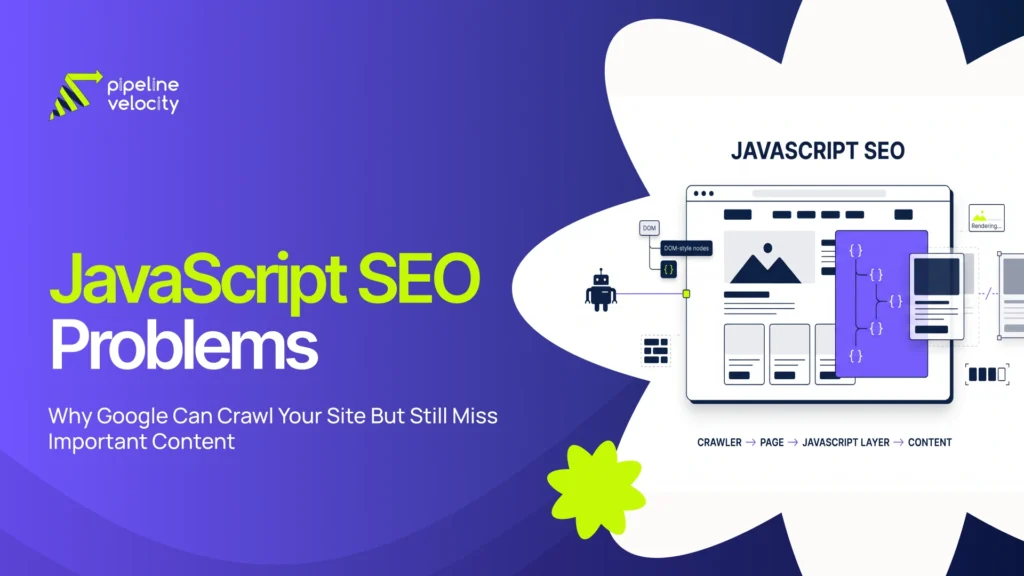
A successful crawl proves that Googlebot fetched a URL. It does not prove that Google rendered the page, saw the main content, discovered its links or indexed the intended metadata. JavaScript SEO fails in the gap between fetched HTML and rendered output. Diagnose that gap by comparing the server response, rendered DOM and indexed result […]
“Alternate Page With Proper Canonical Tag”: When to Ignore It and When to Fix It
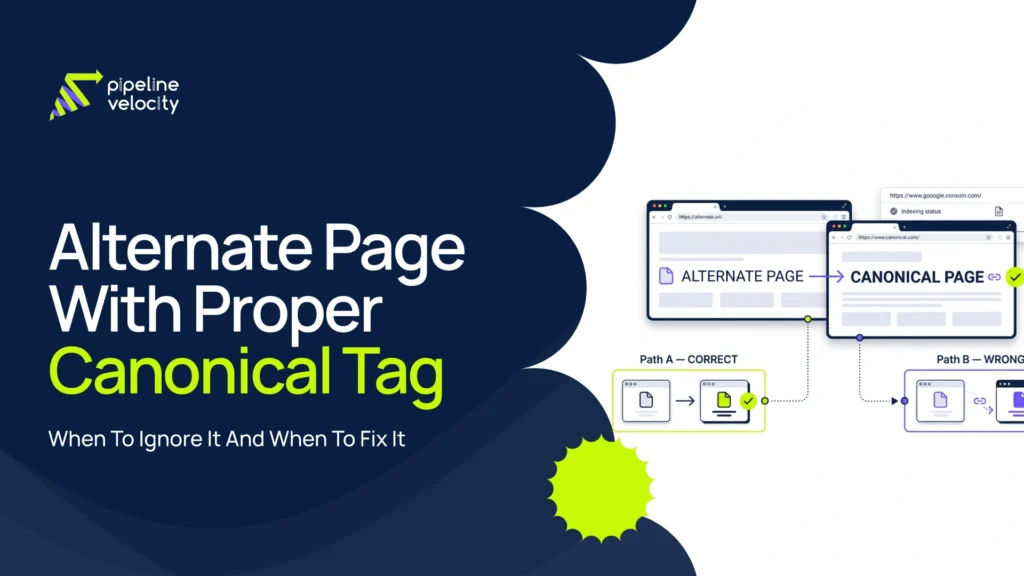
“Alternate page with proper canonical tag” usually means Google found a duplicate URL, accepted another URL as the representative version and excluded the alternate from search results. That is often expected, not an error. Fix it only when the excluded URL should be independently indexable, points to the wrong canonical, or conflicts with your internal […]
Submit URL To Brave Search: Fast Indexing Workflow + Monitoring SOP

Submitting a URL is not the same as getting indexed. That is the first thing every SEO team needs to understand about Brave Search. You can request that Brave re-fetch a page, but the page still needs to be crawlable, indexable, useful, internally linked, and strong enough to appear in Brave’s independent search index. Brave […]
How To Rank In Brave Search: Indexing, Authority Signals, And What’s Different Vs Google

Most SEO teams still build for Google first. That makes sense, but it also leaves a visibility gap. Search behavior is becoming more fragmented, and privacy-first users are turning to alternative search engines like Brave Search. At the same time, Brave is not just a traditional search engine. It has its own independent index, AI-powered […]
IndexNow Setup Guide: Faster Bing Indexing For New And Updated Content

Publishing content is only the first step. Search engines still need to discover it, crawl it, process it, and decide whether it belongs in the index. If that process is slow, your new blog, refreshed service page, updated product page, or deleted URL may not be reflected in search results as quickly as you need. […]
How To Rank In Bing (2026): SEO Basics + Copilot/AI Visibility Optimization

Bing is no longer just “the other search engine.” In 2026, Bing sits inside a much bigger discovery system. It powers traditional search results, supports Copilot Search in Bing, contributes to Microsoft AI experiences, and gives website owners AI citation data through Bing Webmaster Tools. If your SEO strategy ignores Bing, you may also be […]
What Is LLMO? Full Guide To Large Language Model Optimization (2026)

Introduction Your buyers are not only searching anymore. They are asking. They ask ChatGPT for vendor shortlists. They ask Claude to explain strategies. They use Copilot to research options at work. They see AI summaries in search before they see a list of links. In many cases, the first brand they trust is not the […]
SEO vs Content Marketing: What’s Different and How They Work Together?
If you strategize SEO and content marketing in the same way or in separate budgets, you are somehow digging your own grave at this point. In reality, both approaches are closely connected and equally important for growing your business. Combining SEO with content marketing in the right way generates over 3 times as many leads as […]
